We help people write sharper satire
Since 2019, we've run remote seminars that teach you how to spot the absurdities worth mocking and turn them into writing people actually want to read. You learn how to dissect political theatre, media spectacle, and cultural nonsense with enough precision that the joke lands every time.
Our participants work through real examples, trade feedback in live sessions, and figure out what separates clever satire from the kind that just makes you sound bitter. By the end, you write faster, with more confidence, and with the kind of voice that makes editors take notice.
Most people join us because they're tired of reading vague advice or taking courses that ignore how satire actually functions. We focus on structure, timing, and recognizing when exaggeration helps and when it destroys the point. If you want to write satire that works, this is where you start.

Who teaches and coordinates this
Two people run the seminars and make sure participants get real feedback, not vague encouragement. They've both written satire that got published and have spent years figuring out what makes the format work across different audiences.

Silje Thorsen
Lead InstructorSpent six years writing political satire for outlets that required precision and speed. Now teaches participants how to identify the structural weaknesses in arguments and policies, then turn those into satirical pieces that don't need footnotes to work. Focuses on media criticism and contemporary social commentary.
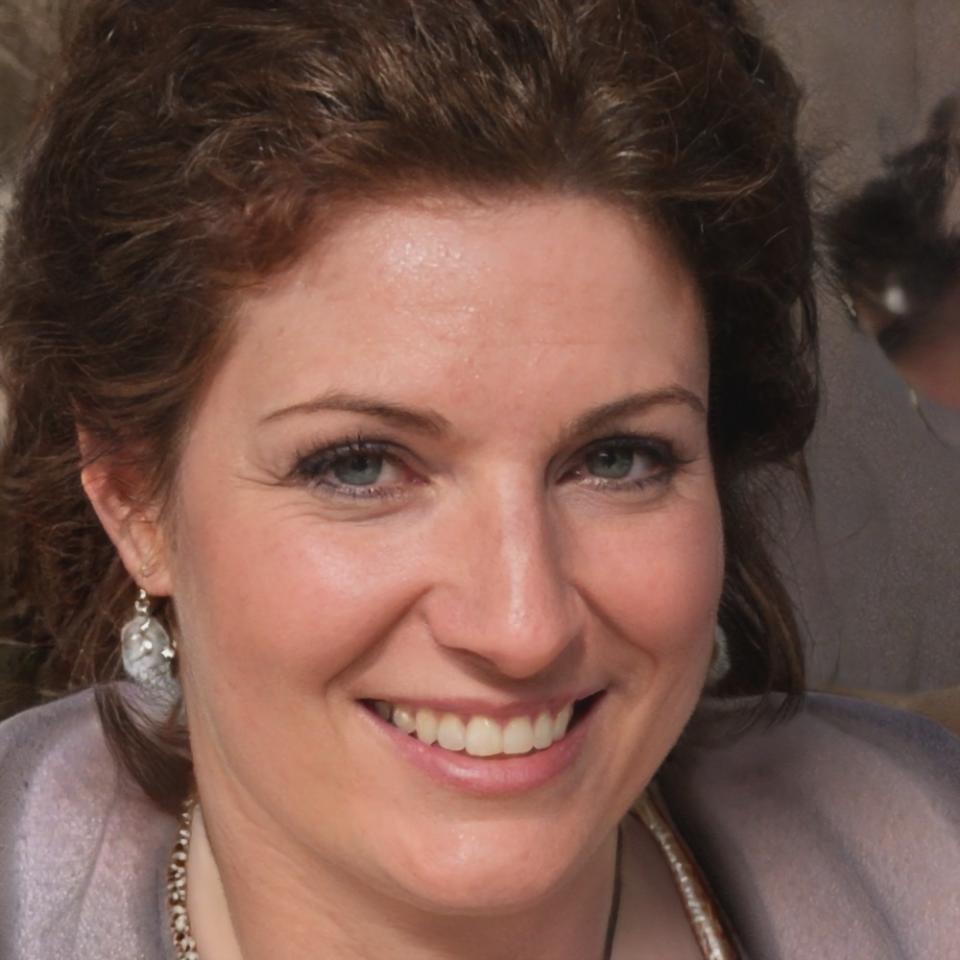
Karolina Wojcik
Workshop CoordinatorCoordinates live sessions and makes sure participants from different time zones can collaborate without chaos. Has a background in editorial work and understands what makes a satirical piece publishable versus what makes it feel like an inside joke. Manages feedback cycles and peer review structures.

How seminars run
- Live workshops twice weekly with topic breakdowns and writing exercises
- Peer review sessions where participants trade drafts and refine structure
- Access to recorded sessions and annotated examples from past seminars
- Private discussion channels for ongoing collaboration between sessions
- Direct feedback from instructors on submitted satirical pieces
International reach
- Participants from 47 countries across six continents since launch
- Sessions scheduled to accommodate European, American, and Asian time zones
- Materials translated into context where cultural satire differs regionally
- Collaborative projects that explore how satire functions across borders
What you actually get from joining
You walk away knowing how to construct satirical arguments that hold up under scrutiny, how to time punchlines so they enhance rather than interrupt the point, and how to adapt your tone depending on whether you're mocking a person, an institution, or an entire cultural trend.
The seminars cover structural techniques most writers skip — how to set up a premise that readers accept before you pull the rug out, when to escalate absurdity and when to hold back, and how to balance mockery with just enough truth that the satire sticks. You also learn to recognize when your writing is clever versus when it's just mean or confusing.
Participants submit drafts throughout the program and receive detailed critiques from both instructors and peers who understand the mechanics involved. You leave with a portfolio of revised pieces and a clearer sense of what works for your voice, your targets, and your intended audience.

Since 2019
1,200+ writers
Structural analysis sessions
Break down published satire to see how professionals construct arguments, time reveals, and balance humor with substance without losing coherence.
Peer collaboration groups
Work with other participants to critique drafts, test whether jokes land across cultural contexts, and refine pieces until they're ready for publication.
Real-time writing exercises
Practice writing under timed conditions with prompts based on current events, then receive immediate feedback on what worked and what didn't.